Over the past decade, you’ve likely seen La Fortuna’s market grow into a top destination for buyers seeking nature, rental income, or a permanent residence; this guide helps you assess budgets, inspect titles, and work with real estate professionals to secure financing and negotiate offers so your purchase in La Fortuna is informed and protected.
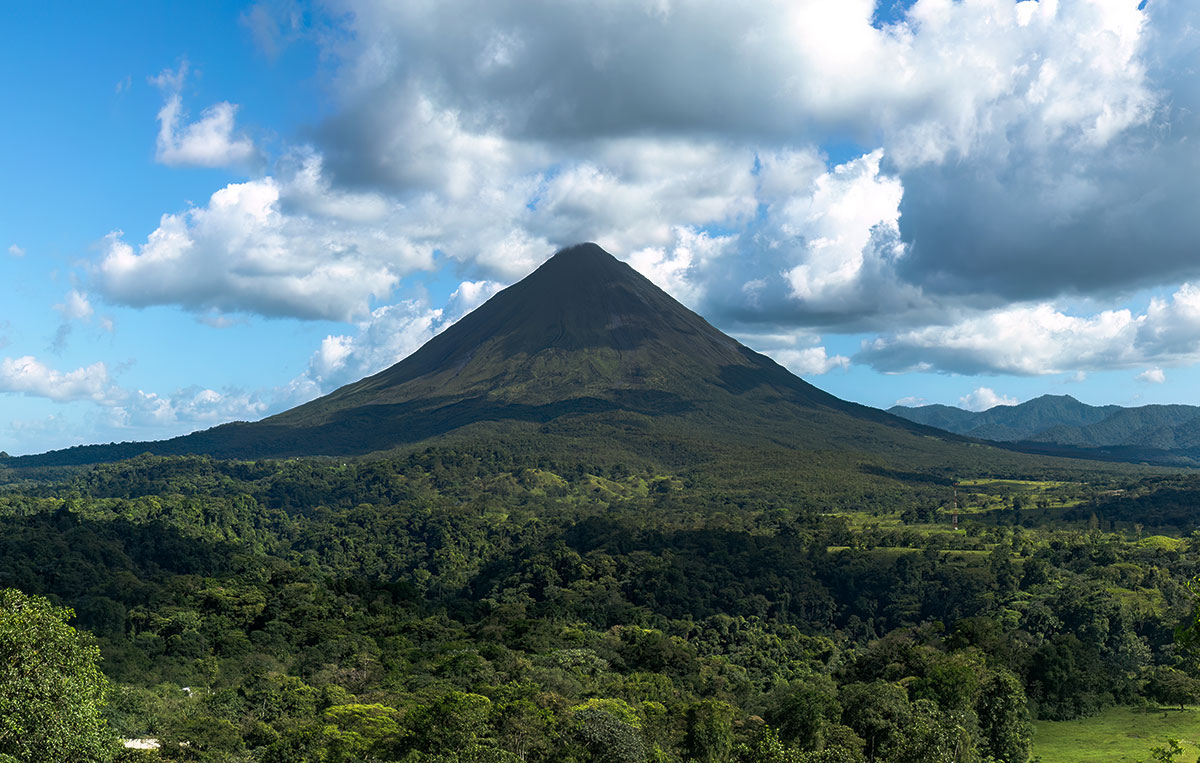
The Allure of La Fortuna: Why Invest Here?
You get immediate access to Arenal Volcano (1,657 m), hot springs, waterfalls and Lake Arenal, giving properties strong lifestyle and resale appeal; volcano‑view homes and turnkey villas attract buyers and short‑term renters alike, while proximity to town amenities preserves long‑term livability for permanent residents.
Geographic and Environmental Advantages
You benefit from fertile volcanic soils, varied microclimates and protected areas like Arenal Volcano National Park that support abundant biodiversity and outdoor activities; nearby rivers, waterfalls and thermal springs enhance property desirability and enable eco‑friendly development or agriculture on many parcels.
The Thriving Tourism Sector and Rental Market
You can leverage steady visitor flow-peak seasons run December-April and July-August-with adventure and wellness travelers driving demand for short‑term rentals; working with a reliable local firm helps you optimize listings and pricing to improve occupancy.
With well‑managed listings you’ll see marked seasonal variance-high season bookings dominate revenue-so aim for quality amenities and professional management; examples show 2-3 bedroom volcano‑view villas often command $100-$200 per night in peak months when positioned correctly.
Navigating the La Fortuna Real Estate Landscape
To navigate La Fortuna’s market you should focus on micro‑locations, infrastructure and seasonal demand: properties near La Fortuna town or Lake Arenal command higher rental rates, while hillside lots offer privacy and volcano views but may need engineered access. Expect service variations-electricity and internet are robust in town but can be intermittent in remote parcels.
Key Property Types: Villas, Condos, and Land
You’ll encounter three dominant options: turnkey villas for higher nightly rates and long‑term comfort, condos for lower maintenance and location convenience, and raw land for building or resale. Each has different cost structures and permitting needs, so match financing to use cases and time horizon; Grupo EcoQuintas even offers 100% financing on select land deals to accelerate acquisition.
- Villas: often 3-5 bedrooms, outdoor living, can fetch premium nightly rates during high season.
- Condos: lower upkeep, HOA fees vary (typically $100-$400/month), attractive for part‑time owners.
- Any land parcel requires due diligence on access, slope and utilities before bidding.
| Villas | 3-5 BR, built 200-450 m², higher construction costs but 6-10% gross rental potential in peak months |
| Condos | 100-200 m² units, common amenities, HOA governance and monthly fees impact net yield |
| Vacant Land | Lots range 0.1-5 ha; prices vary by access and view-verify potable water and power availability |
| Investment Properties | Multi‑unit or commercial spaces near town center drive steady occupancy; check tourist seasonality |
| Mixed‑Use | Small commercial + residential plots suit B&Bs or retail; confirm frontage and parking requirements |
Understanding Local Zoning and Regulations
You must review the municipal Plan Regulador categories-residencial, turístico, mixto-which determine allowable uses, maximum density and setbacks; permit timelines typically run 30-90 days with additional environmental clearances for riparian or steep‑slope sites. Engage a local attorney and your real estate agent early to verify titles, easements and any municipal liens before signing.
In practice, check cadastral maps at the Municipalidad de San Carlos and request a certificado catastral (title and boundary certificate); properties within SINAC protection zones or water source buffers require environmental impact assessments and can restrict building footprints. For example, a buyer found a 1.2‑ha parcel with excellent views but discovered a 10‑meter riparian buffer that cut usable area in half-contractor cost estimates and permit strategy changed the offer. Use these inspections to negotiate contingencies or to tap financing options.
Analyzing Market Trends and Valuation Metrics
When analyzing market trends you focus on price per square meter, days on market, absorption rates and rental cap rates to value properties; in La Fortuna you’ll commonly see short-term rental cap rates around 5-8% and annual appreciation in the 4-7% range in recent years, so compare listings, past sales and local inventory to decide whether a property fits your investment or lifestyle goals.
Recent Sales Data and Price Fluctuations
Use recent sales comps within a 3-6 month window: properties near Arenal averaged 30-60 recorded sales yearly, with price swings of 8-12% between high and low tourist seasons; you should analyze closed sale amounts rather than asking prices, track median sale price changes quarter-to-quarter, and consult AC Real Estate (https://acrealestatecr.com/) for up-to-date listings and verified transaction histories.
Predicting Future Value: Economic Indicators and Growth Forecasts
Anchor your forecast in hard indicators: Costa Rica’s GDP growth, tourism arrivals (Arenal region saw a 20-35% visitor rebound post-2020), infrastructure projects and zoning changes drive demand; if national GDP growth stays 3-4% and international tourism recovers, you can reasonably expect steady appreciation-use conservative 3-6% annual growth for valuation models and stress-test for 0-2% scenarios.
Factor in local supply-side elements: new developments, road improvements and financing options from developers can accelerate supply and demand cycles, so you should review municipal permit filings, upcoming hotel or eco-lodge projects, and employment data; model three scenarios-base, optimistic (tourism +20%), and conservative (tourism flat)-to quantify valuation ranges and purchase timing.
Financing Your Investment: Local and International Options
Traditional Financing vs. Alternative Funding Sources
Banks in Costa Rica typically ask for 20-40% down and offer fixed or variable rates; expect 6-10% depending on term and currency. You can also pursue seller financing-Grupo EcoQuintas advertises 100% land financing-or use private lenders and international mortgages from U.S./Canadian banks for cross-border buyers. Cash offers shorten closings and strengthen your negotiating position.
Navigating Currency Exchange and Investment Restrictions
If you choose a colón-denominated loan, exchange-rate swings will change your dollar costs; a USD loan stabilizes payments but often carries higher interest. Foreigners may own most properties, though beachfront parcels in the maritime zone require concession titles and special procedures. Transfer tax is about 1.5% and annual property tax typically stays under 0.25% of registered value, so factor these into your closing-cost and cash-flow calculations.
For example, a 10% depreciation of the colón increases your USD-equivalent payments by roughly 10%, directly affecting your monthly budget. You can hedge with forward contracts, FX swaps, or maintain a Costa Rica dollar account; independent FX brokers usually provide tighter spreads than retail banks.
Building a Support Network: Professionals and Resources
Finding the Right Local Real Estate Agent
Vet agents by track record in Arenal, Alto Arenal and El Castillo, requesting recent sales, references and a written buyer-broker agreement; commissions commonly run around 5% and experienced agents will coordinate inspections, permits and bilingual communication.
Legal Considerations: Ensuring Compliance and Protection
Have a bilingual attorney review title, municipal permits and zoning before you sign: they’ll check the Registro Nacional for liens, confirm the seller’s escritura and verify property tax receipts and utilities. Foreigners enjoy equal ownership rights in Costa Rica, so your lawyer should draft or review the escritura pública, advise on transfer taxes and coordinate notarization with a Notario Público to protect your interests.
For thorough due diligence order a certificación de gravámenes (encumbrance certificate) and a current plano catastrado from the Registro Nacional, obtain a recent topographic survey to confirm boundaries, and request proof of paid municipal taxes and any HOA obligations. Expect escritura preparation and registration to take several weeks (commonly 4-8); funds are usually transferred via attorney escrow or a local bank.
Summing up
The steps above will help you buy in La Fortuna with confidence: define your budget, research the market, visit properties, and perform legal due diligence, working with trusted real estate partners so you can negotiate, secure financing, and close smoothly while protecting your investment and enjoying the region’s unique lifestyle.
