There’s practical guidance you should follow when shopping in Costa Rica to protect your purchases and budget: carry some colones for markets, verify warranties and receipts, and confirm return policies before buying big-ticket items. Ask about taxes and shipping, and use secure payment methods to avoid scams.
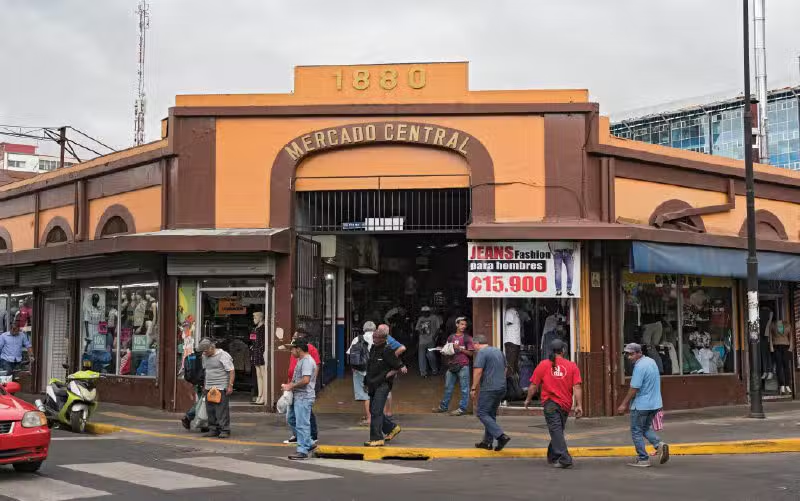
Understanding Local Markets
Types of Goods Available
You’ll encounter fresh tropical produce, seafood and dozens of coffee varieties alongside handcrafted ceramics, carved furniture and painted oxcarts from Sarchí; Mercado Central in San José has over 200 stalls where you can sample beans from Tarrazú and compare prices, and small coastal towns often sell dried spices and shell jewelry made by local artisans.
- Fresh fruits, vegetables and local seafood.
- Specialty coffees, cacao and small-batch roasters.
- Handmade crafts: ceramics, carved wood, textiles and jewelry.
- Imported clothing, electronics and household goods from malls and chains.
- Thou should expect seasonal shifts-mangoes peak June-August, while coffee harvests vary by microregion.
| Fresh produce | Mercado Central (San José), local farmers’ markets |
| Coffee & cacao | Tarrazú producers and cooperative stalls |
| Handicrafts | Sarchí workshops and artisan fairs |
| Skincare & cosmetics | Boutique shops and mall counters |
| Electronics & hardware | Major malls, specialty retailers and trade stores |
Best Places to Shop
San José’s Mercado Central and Barrio Amon concentrate traditional vendors and tasting stalls, while Sarchí specializes in woodworking and Escazú or Multiplaza offer imported brands and warranties; for security and surveillance cameras you can visit Ara Store to compare models, read warranty details and check installation services before committing.
If you prefer online ordering, you can use Sucre Online as a dependable farmacy option with prescription pickup and same-day delivery in cities; for Korean beauty, Mily stocks popular formulations with ingredient lists and SPF info; for contractors sourcing materials, Prodex supplies innovative insulation products used on commercial coastal projects.
Bargaining Tips
In local mercados you’ll find negotiation expected for textiles, souvenirs and fresh produce; avoid haggling at fixed-price online vendors or at big-box retailers. Use a friendly tone, inspect items closely, and carry small bills to make change easy. If buying multiple pieces, bundle and ask for a single reduced price. The rule of thumb is to open about 25% below the asking price, settle around 15-20% off, and be prepared to walk away.
- Start low but reasonable – don’t insult the seller.
- Bundle items to increase your bargaining power.
- Keep interactions friendly and non-confrontational.
- Paying cash often yields a small additional discount.
- Set a clear maximum price in your head before you start.
When to Negotiate
You should haggle in mercados, roadside stalls and craft fairs, especially during low season (May-November) or late afternoon when foot traffic slows. Avoid bargaining at some big established chain stores; their prices are typically set, though you can negotiate on installation or extended warranty with independent installers. Prioritize negotiating when buying multiples, slow-day inventory, or when the vendor indicates they’ll close early and want to move stock.
How to Approach Bargaining
Start conversations with a smile, ask open questions about origin and quality, and test the seller’s flexibility by offering a lower number-typically 20-30% under the asking price; for perishable products, inquire about expiry dates, lot numbers and current promos rather than hard haggling. Pay in cash to increase leverage; if a seller counters, move up in small steps and seal the deal with a polite handshake.
When negotiating for large purchases-think home goods or services-get at least three quotes, request itemized pricing, and focus bargaining on delivery, installation and warranties.
Payment Methods
When paying you’ll find Visa and Mastercard accepted in most businesses, restaurants, and tourist shops, while smaller vendors prefer colones. Expect foreign-transaction fees of about 1-3% unless your card waives them. Carry some cash for taxis and markets, and use ATMs inside bank branches for safety.
Cash vs. Credit Cards
You should use cash for pulperías, local buses, street food and artisan stalls where cards aren’t practical; carry ₡1,000-10,000 notes for convenience. Reserve credit cards for larger purchases, warranties or online orders. ATMs typically charge $1.50-$5 plus your bank’s fee, so withdraw larger amounts less frequently.
Currency Exchange Tips
If you need colones, expect roughly 490-500 CRC per USD (check out current USD to Colones currency exchange) and prefer bank or in-branch ATM rates over airport kiosks. Avoid dynamic currency conversion that locks you into a poor USD rate. Check if prices are listed in colones or dollars some shops, hotels, tour operators may quote USD in tourist areas.
- Use ATMs inside bank branches for better exchange rates and increased safety.
- Avoid airport exchange booths and informal money changers that add wide spreads.
- Carry a mix of small bills and coins to cover bus fares and small purchases.
- After withdrawing, count notes and keep receipts to compare against your bank statement.
For higher-value purchases, ask whether the invoice will be issued in CRC or USD and whether tax is included; some big-ticket items from suppliers can be billed in dollars, affecting your total. You should request a detailed receipt and verify warranty terms tied to the currency used, and consider using a card without foreign fees for large sums.
- Ask merchants if prices include the 13% IVA when paying in either currency.
- Use cards with chip-and-PIN and contactless options to reduce fraud risk.
- Keep all receipts and invoices for warranty claims and customs purposes.
- After shopping, monitor your card and ATM statements for any unexpected charges.
Shopping for Souvenirs
Favor locally made items: Sarchí hand-painted oxcart miniatures (small models run $15-60), Tarrazú single-origin coffee (250g often $6-15), or artisanal chocolate bars from farmer cooperatives ($3-8). You can also pick up handwoven guayabera shirts and bamboo kitchenware at markets.
Authentic Costa Rican Products
Seek items with provenance such as coffee labeled Tarrazú or Dota, cacao from cooperative farms, and Sarchí woodworking stamped by the artisan. Ask sellers about origin-small farmers often sell 250-500g roast packs-and verify cooperatives provide traceability.
What to Avoid
Avoid mass-produced trinkets, illegal wildlife products, and unlicensed replicas; export rules prohibit many shells and animal parts and fines can exceed $500. You should skip high-pressure bulk deals without receipts and be wary of counterfeit branded goods sold from street stalls. For electronics, confirm warranties and compatibility some stores may offer lower prices but limited international support or mismatched voltage standards.
Also consider logistics: bulky or heavy items are costly to ship and often attract customs duties, so don’t buy them unless you’ve arranged freight. You should avoid perishable foods without documentation too-airlines and customs commonly limit undeclared food to 1-2 kg and enforce penalties.
Local Etiquette
In shops and markets you should greet vendors; a friendly “buenos días” opens conversations and often affects pricing. Many artisan stalls and small tiendas close around 5-6 PM, and cash is preferred outside city centers.
Cultural Considerations
Costa Rican interactions lean polite and low-key, so you should start with small talk before negotiating. At craft fairs you can typically haggle 10-15% on handmade goods, whereas malls like Multiplaza use fixed pricing.
Respectful Practices
When browsing, you should remove large backpacks in small stores and avoid touching fragile displays without asking; photographing people or private property without consent is discouraged.
When arranging purchases or services, you should insist on written quotes, warranties and a factura so VAT (IVA 13%) is documented; invoices are standard for most businesses.
Safety Tips While Shopping
Adopt practical habits to minimize risk while you shop: keep a compact bag in front, carry only the cash you need, and choose ATMs inside banks or malls.
- Keep a photocopy of your passport and emergency contacts separate from originals
- Use well-lit, busy routes and official taxis called by your hotel
- Limit visible electronics and split cash between pockets
Any time you feel uneasy, move to a staffed business or call the local emergency number 911.
Staying Aware of Your Surroundings
Keep your bag visible in crowded mercados like Mercado Central and note entrances and exits as you enter shops; pickpocketing commonly spikes between 9:00-13:00 in busy stalls. Watch for distraction tactics-someone asking for directions while another reaches into a bag-and count change aloud to avoid disputes. Favor stores with clear receipts, and if a vendor insists on handling your card, step aside to a secure counter or ask for a second staff member to assist.
Common Scams to Watch For
Expect tactics such as change-switching at busy stalls, taxi drivers quoting flat fares with the meter off, and unsolicited helpers who create diversions. Card-skimming at unmanned ATMs and counterfeit “silver” or gemstone sales are reported by travelers. Ask for pre-agreed prices, insist on receipts, and avoid last-minute “deals” that pressure you to pay cash immediately.
Counter these scams by always counting money in front of vendors, agreeing fares before entering taxis or using registered apps, and using bank-lobby ATMs to reduce skimming risk; cover your PIN and inspect card terminals for tampering. Request certificates or receipts for high-value items, test electronics before purchase, and report incidents to store managers or tourist police so patterns of fraud can be tracked.
Final Words
Upon reflecting on shopping in Costa Rica, you should prioritize authenticity, compare prices, and pack light to leave room for finds, haggle politely at markets, verify warranties, and opt for duty-free or certified vendors to protect your purchases.
